

Tokyo Kamakura (Complimentary Enoden Experience)

 56

 77


 4.5/5


Select the booking date, fill in the required information to place the order, and follow the system prompts to complete the payment. The order is successfully placed upon successful payment.
After successful booking, please check your registered email shortly. You can then print or show the confirmation letter on your mobile phone to proceed to the meeting point or wait at the hotel lobby.
08:00 in front of the BEAMS sign at Shin‑Marunouchi Building, JR Tokyo Station / 08:30 at Mode Gakuen, Shinjuku
(1) Vehicle service fees as listed in the itinerary;
(2) Vehicle fuel, toll, and expressway fees;
(3) Vehicle service duration: within 10 hours (as stipulated by Japanese law);
(4) Driver‑guide service fee (1‑13 pax small group; 14‑45 pax bus group, subject to adjustment based on the number of participants on the day);
(5) Reference vehicle models: 5‑8 seater: Toyota Alphard; 9‑14 seater: Toyota Hiace or equivalent; 18‑22 seater: Minibus; 22+ seater: Large bus. The above vehicles are for reference only and are subject to adjustment based on the number of participants on the day;
(6) Children aged 0‑2 years old held in arms without occupying a seat are free; please inform us in advance when registering; children aged 3 years and above are charged as adults;
(1) Accommodation fees, meals, optional activities paid locally, and other personal expenses;
(2) Other items not mentioned in the [Inclusions] above;
Children under 0‑2 years old held in arms without occupying a seat are free. Please inform us in advance when registering. Children aged 3 years and above are charged as adults.

For cancellation requests made 3 days (exclusive) before departure, 100% of the fee will be refunded
For cancellation requests made 2 to 3 days (inclusive) before departure, 50% of the fee will be refunded
For cancellation requests made 1 day (inclusive) before departure, no refund will be given
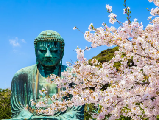
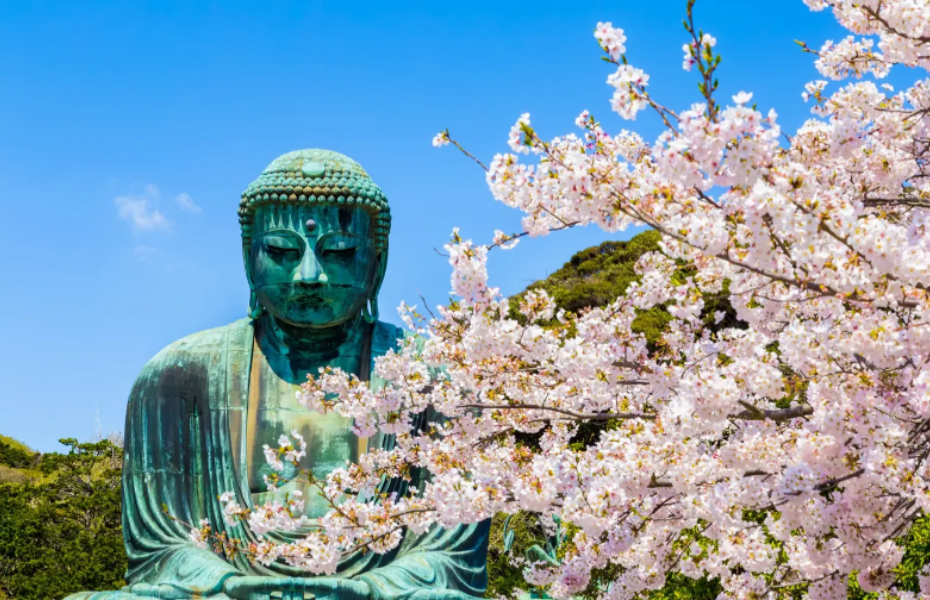
▼ Kamakura Daibutsu (Great Buddha)
The bronze seated statue of Amitabha Tathagata, commonly known as the Kamakura Daibutsu, is located within Kotoku‑in, a Jodo‑shu temple in the ancient city of Kamakura. It is a symbol of this historic city. The statue stands 11.3 metres in net height, 13.35 metres including the pedestal, and weighs approximately 121 tonnes. Built in 1252, the statue features a relatively flat face, a lower ushnisha and a forward‑leaning posture, reflecting the style of Song Dynasty Buddhist sculptures popular during the Kamakura period. It is a representative sculpture of the era and has been designated as a Japanese National Treasure. Unlike the Great Buddha of Todai‑ji in Nara, which underwent numerous repairs in later periods, the Kamakura Daibutsu has largely retained its original form, making it extremely precious. (Admission fee not included: 300 yen; entry into the interior of the statue: 50 yen.)
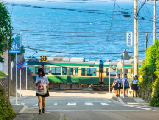
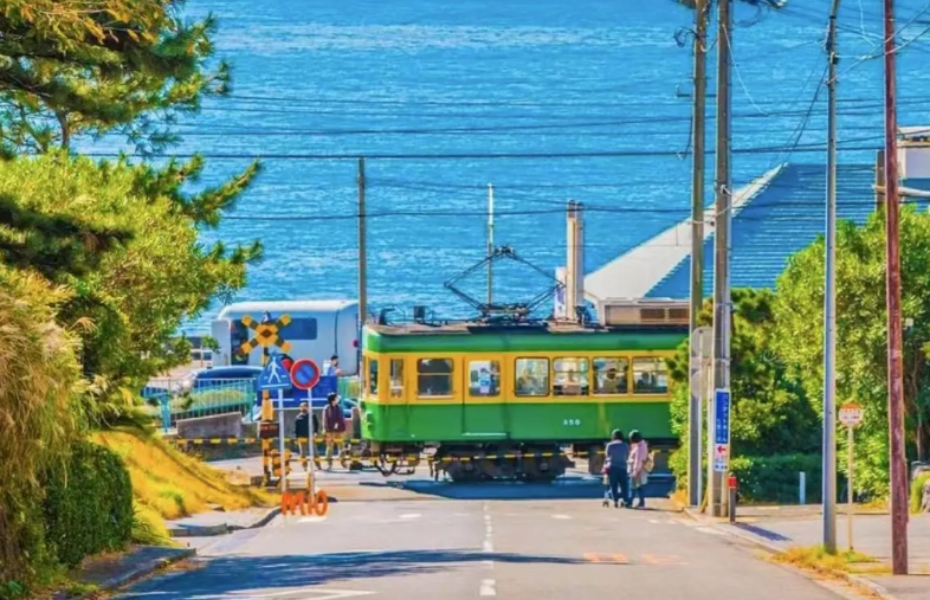
▼ Enoden Train Experience Duration: approx. 15–20 minutes (experience fee included)
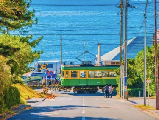
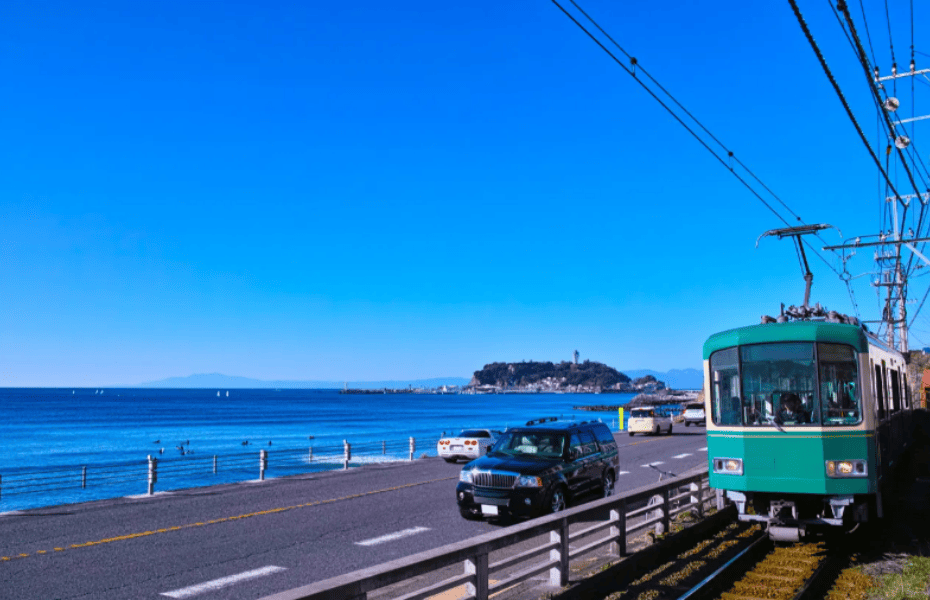
The Enoden is a tram line connecting Fujisawa and Kamakura. Its route covers most of Kamakura's famous attractions, and also offers beautiful views of the Shonan coast.
※The journey between Kamakura High School and Kamakura Daibutsu will be made via the Enoden train. Please be sure to stay close to the tour guide on the way to the station. Should you fall behind, you will be responsible for the consequences.
This is a complimentary item. If the Enoden ride cannot be taken due to force majeure, no refund will be provided.
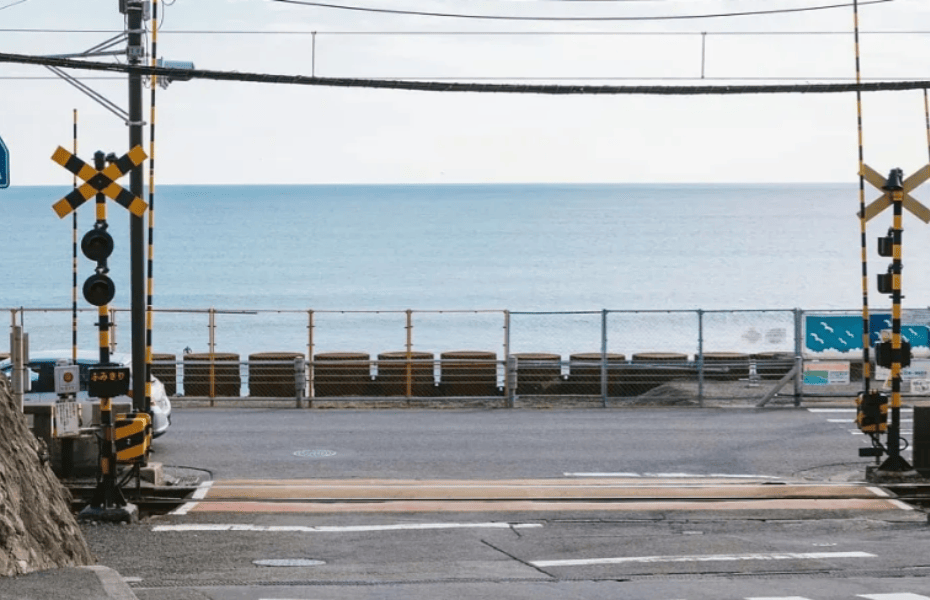
▼ Kamakura High School *Visitors cannot enter the school premises as classes are in session.
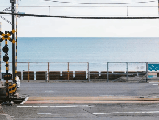
Kamakura High School is located in Kamakura City, Kanagawa Prefecture, Japan. It is the real‑life inspiration for Ryonan High School in "Slam Dunk". The intersection not far from the station is the filming location of the iconic scene where Hanamichi Sakuragi greets Haruko Akagi. Standing at the intersection, amidst the ringing of the crossing signal, you can still feel the passionate youthful memories of "Slam Dunk".
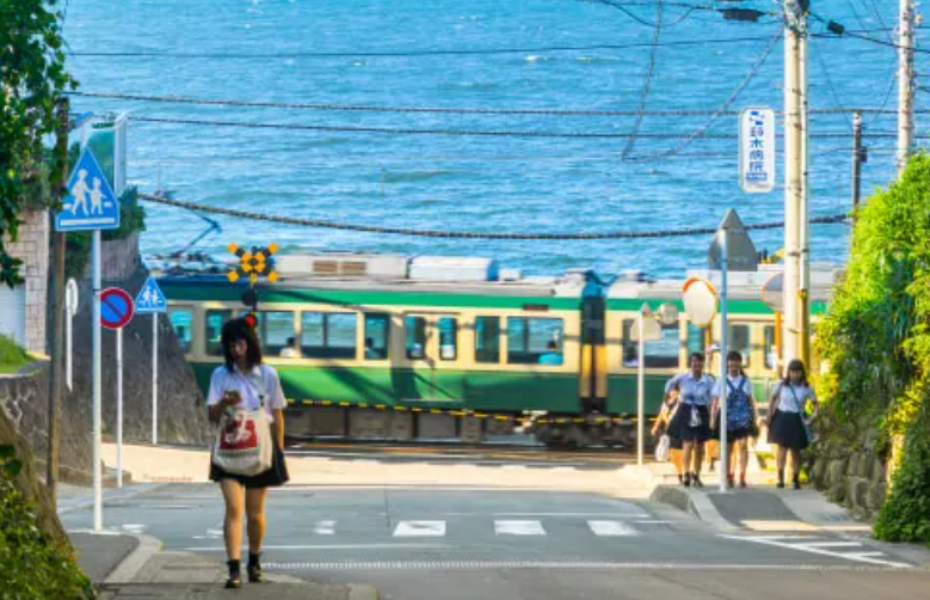
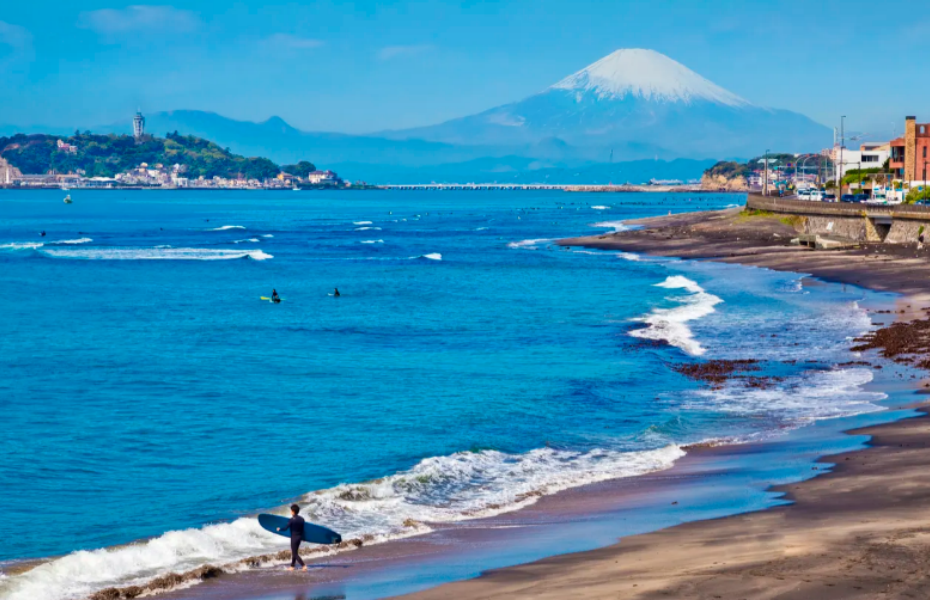
▼ Shonan Coast (Scenic Drive) (Not included in the itinerary; viewing from the coach only)
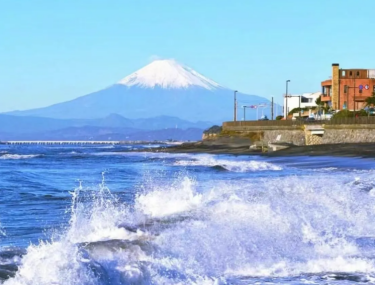
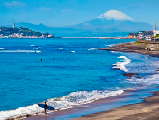
The Shonan coast is the little train leisurely passing through the quaint streets of Kamakura, the sound of waves rolling on the beach as you lie on the sand, the sea breeze felt as motorcycles roar past, and the love of Sakuragi for Haruko — it's nostalgia, it's passion.
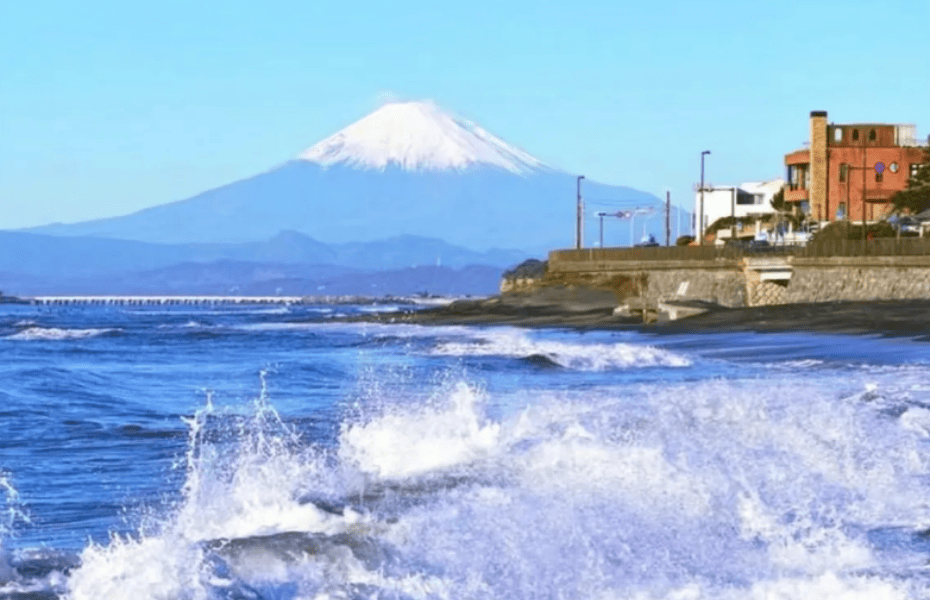
▼ Enoshima
According to legend, Enoshima was formed in April of the 13th year of Emperor Kinmei's reign (552 AD), when sand began to well up from the seabed and formed a sandy island after 21 days. However, the records of Enryaku‑ji Temple on Mount Hiei contain a more touching legend regarding the island's origin. Even Tokugawa Ieyasu is said to have visited the island to pay his respects. During the Edo period, it became one of the popular sightseeing destinations for people from Edo (present‑day Tokyo). Moreover, thanks to Benzaiten's musical talents, it has also always been a revered place for Kabuki performers.
▼ Enoshima Shrine
Enoshima Shrine was established in the 13th year of Emperor Kinmei's reign (552 AD), with its regular festival held in early April. The temple's wooden, coloured, eight‑armed seated Benzaiten statue, the long sword crafted by Fujiwara Masahiro of Hizen Province, the eight‑direction‑gazing turtle, the Enoshima Engi (origin story) and the bronze torii gate are all precious cultural properties designated by the nation. As Benzaiten is also revered as the goddess of wealth, the shrine attracts numerous worshippers and tourists.
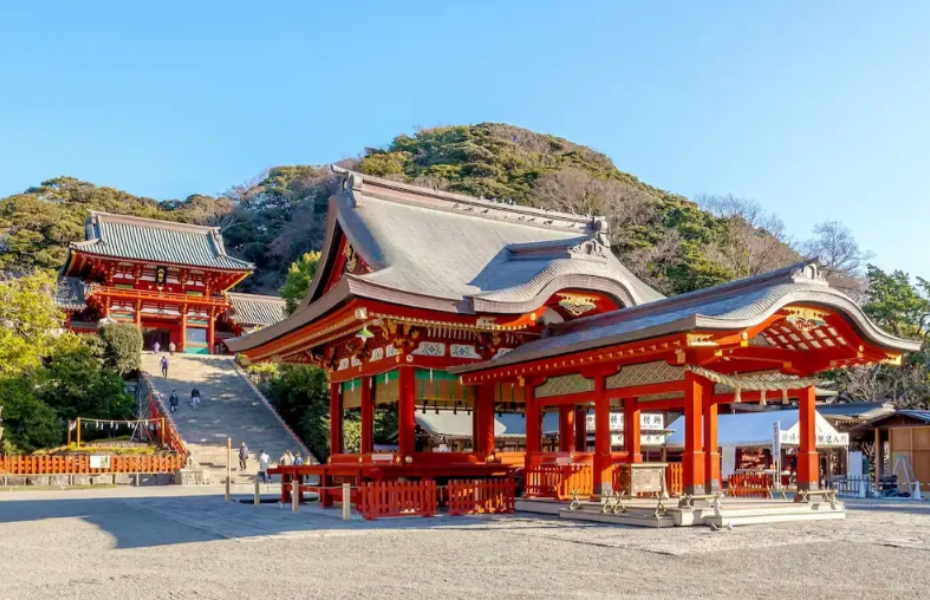
▼ Tsurugaoka Hachimangu Shrine
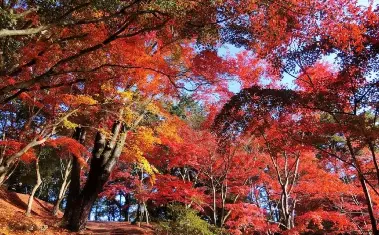
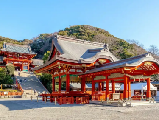
Tsurugaoka Hachimangu Shrine, formerly known as Kamakura Hachimangu, was the central faith and guardian deity of the samurai during the Kamakura Shogunate (1192). It has deep connections with the first shogun of Kamakura and is highly renowned throughout the Kanto region. Together with Iwashimizu Hachimangu (Kyoto) and Usa Hachimangu (Oita Prefecture, Kyushu), it is collectively known as one of Japan's Three Great Hachimangu Shrines. The shrine grounds are extensive, with several sites designated as National Historic Sites. In addition, many flowers and plants are cultivated within the grounds, making it a famous local spot for cherry blossom and autumn foliage viewing. It has also been awarded a one‑star rating in the Michelin Green Guide.
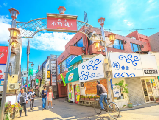
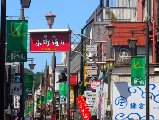
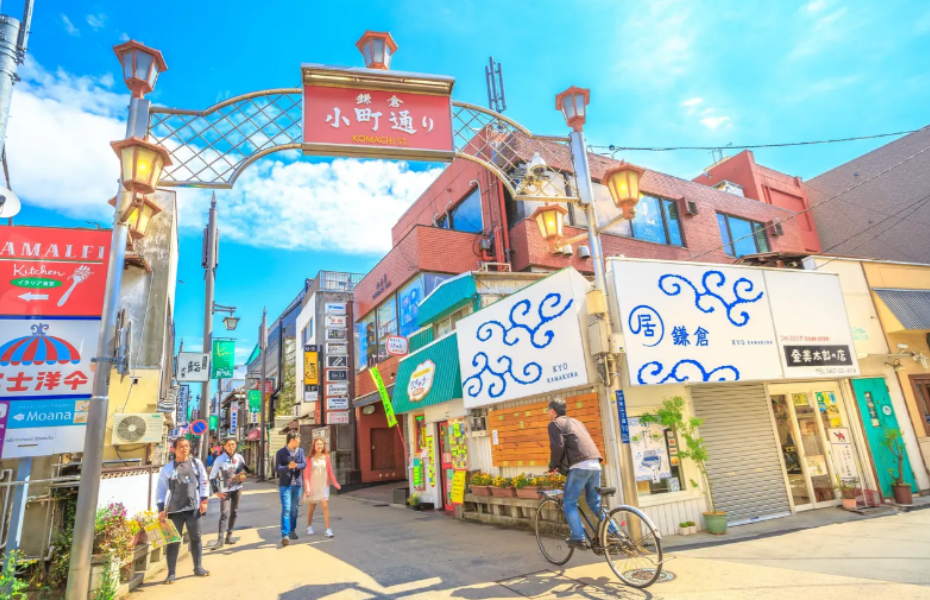
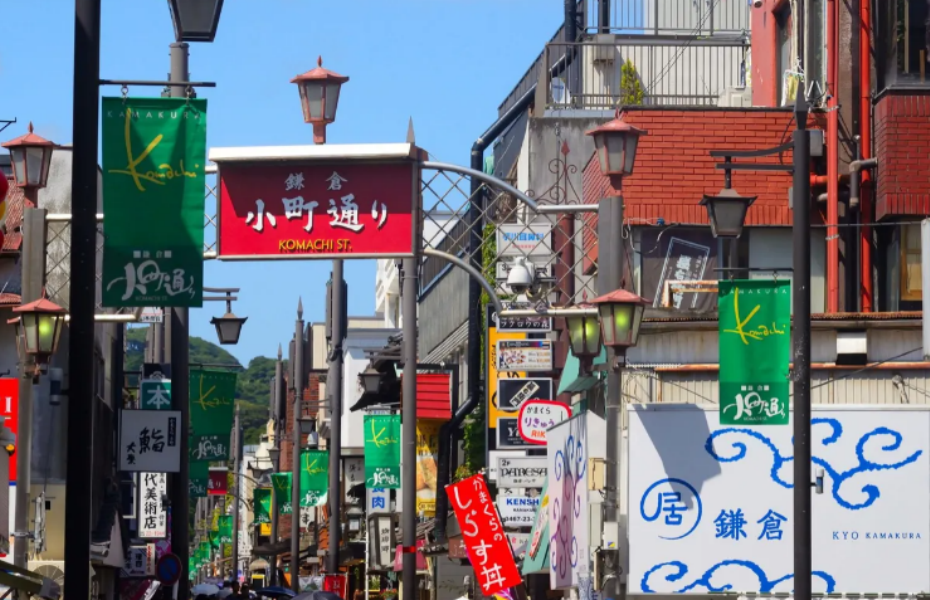
▼ Komachi‑dori Street
Komachi‑dori, stretching from Kamakura Station to Tsurugaoka Hachimangu Shrine, is one of Kamakura's most famous and lively old shopping streets. Lining both sides of the street are numerous shops selling a wide variety of goods. Kamakura's local specialities, Japanese handicrafts and regional cuisine are diverse in range and highly popular among both locals and tourists. Among these shops, many are renowned food establishments featured on major websites and travel guidebooks.
 Merchant Information
 CityTokyo Prefecture
 CategoryRoute
Product Reviews Tourist2026
 I loved how slow the Enoden ride is, you get to take in all the pretty coastal v...
- Tourist2026Me and my old secondary school mates went on this trip as a little reunion, we s...
- Tourist2026My parents loved walking around the old town area near one of the Enoden stops, ...

 Date of Use(Tokyo Prefecture local time)

 Deals