

Tracing Amsterdam's 1345 Eucharistic Miracle and the Annual Stille Omgang Silent Walk
 Like

 Save

【Attraction Tickets】Amsterdam City Centre Bar Night Tour Experience
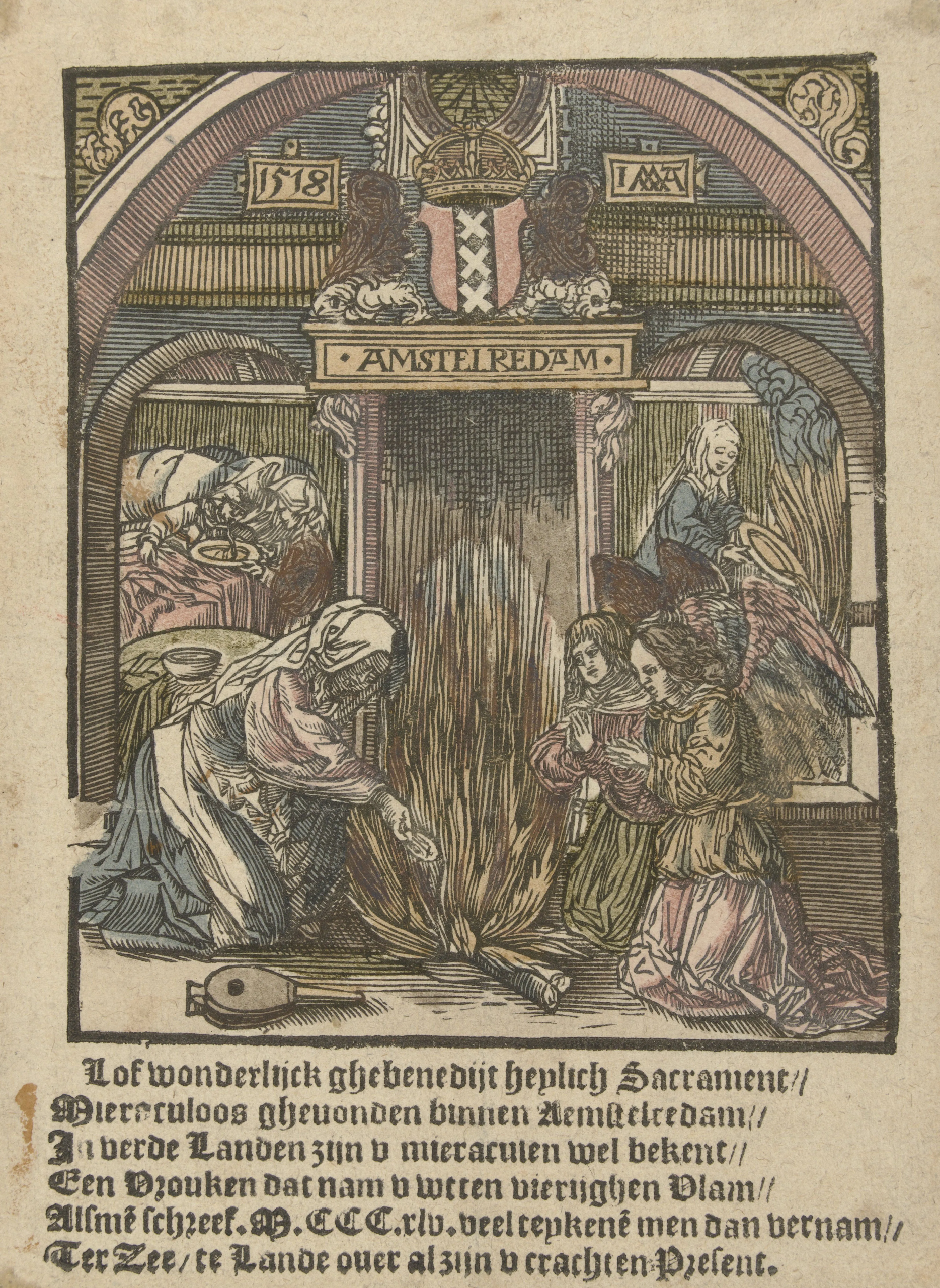
In 1345, an event on Kalverstraat transformed Amsterdam into a medieval pilgrimage site. A dying man vomited after receiving the Eucharist, and the consecrated host was thrown into a fire. When the ashes cooled the next day, the host remained intact. Despite attempts to move it to a church, it returned twice to the house. A local priest eventually transferred it in a solemn procession, and a chapel named Heilige Stede was built on the site.
History of the Procession
An annual procession commemorated the miracle until 1578, when the Alteration of Amsterdam banned public Catholic processions. The chapel became a Protestant church until 1890 and was demolished in 1908, though the city council preserved exterior parts and columns. In 1988, sculptor Hans 't Mannetje reconstructed a column from stone fragments, placing it on Rokin near the original chapel site close to the Amsterdam Dungeon.
The Stille Omgang Today
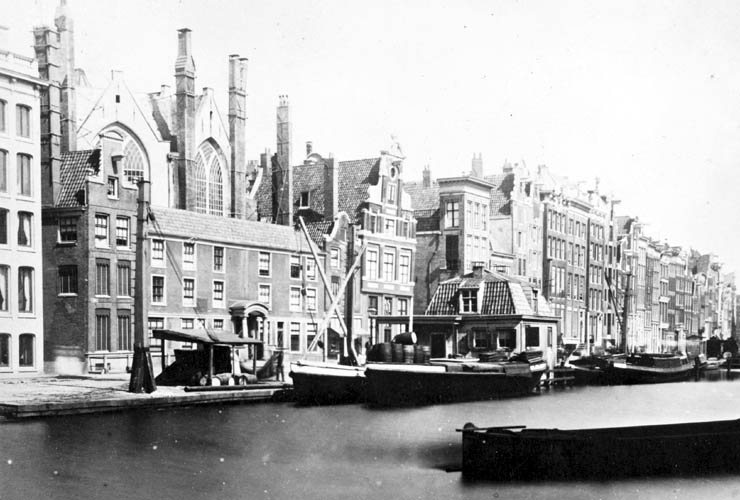
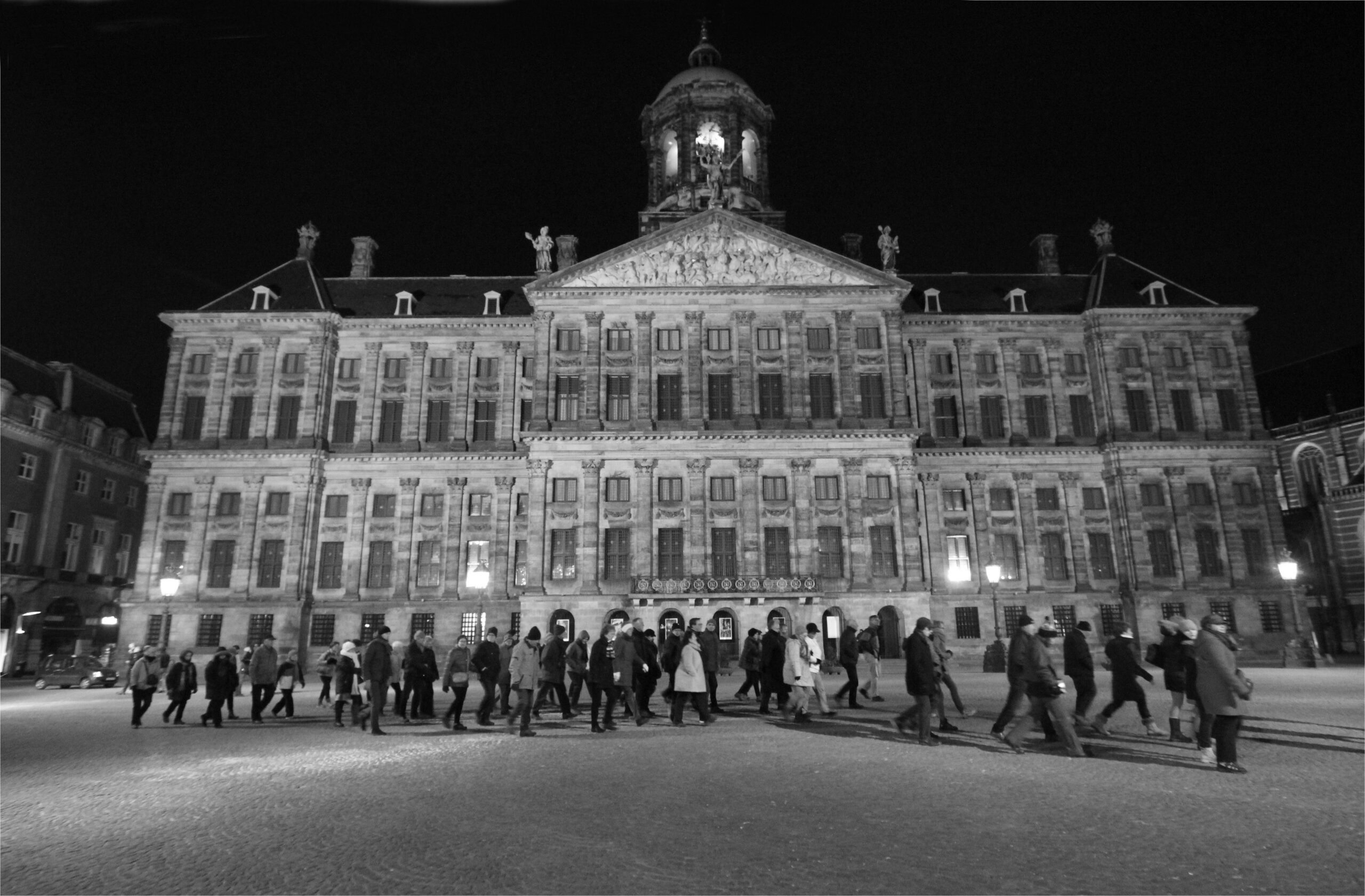
The tradition continues through the Stille Omgang, or Silent Walk, held annually usually in March. Participants walk through the city centre in silence late at night without signs or music, following a route approximating the medieval pilgrimage path. The walk takes about one hour and occurs between midnight and 4:00 AM on Sunday morning, contrasting with regular Amsterdam nightlife.
Event Timing: Usually in March, between midnight and 4:00 AM on Sunday morning.
Duration: Takes about one hour.
Key Locations: Kalverstraat, Rokin, and Dam Square.
【Attraction Tickets】Red Light Secrets Museum Ticket & 1-Hour Amsterdam Canal Cruise Experience
【Attraction Tickets】Muiderslot Ticket (near Amsterdam)
 Related products



 More guides