

Essential Travel Transport Options and Customs Rules for Visiting Rome
 Like

 Save
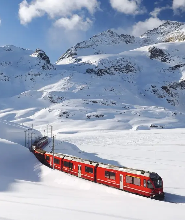
【1-Day Tour Routes】From Milan: Bernina Express Tour to St. Moritz via the Alps

【1-Day Tour Routes】Day Trip to Monaco and Nice from Milan (Three Countries in One Day)
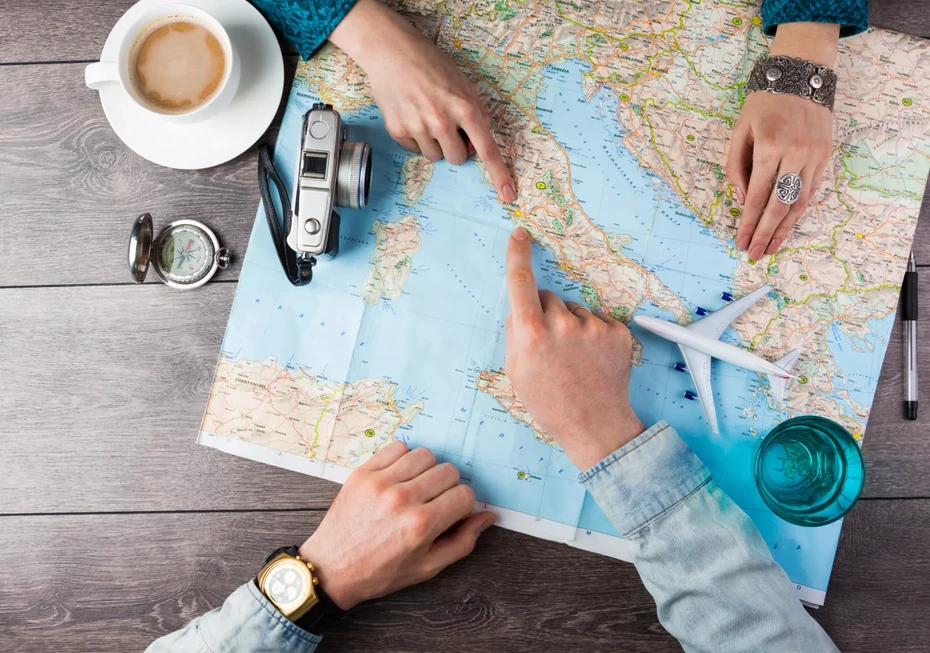
Travellers heading to Rome have multiple transport options available depending on their route and needs. Flights arrive at around 40 airports across the country, with the Rome-Fiumicino International Airport Leonardo da Vinci serving as a primary entry hub. Taxis, buses and trains provide connections from the airport to the city centre.
Train, Car and Bus Travel
European railway networks connect Italian cities directly to other capitals via international EuroCity trains and overnight EuroNight services. Drivers can access the country via motorways and alpine passes, though alpine tunnels like Mont Blanc, Frejus, Great St Bernard and Brenner may close during winter, autumn and spring due to snow. Coaches and budget line agencies also operate routes from across Europe.
Sea Travel and Customs Regulations
Sea connections operate from Mediterranean ports, with ticket prices varying by season and vehicle size. Companies such as Grimaldi Lines, GNV, Blue Star Ferries and Tirrenia Navigazione connect Italy to countries including Greece, Spain, Tunisia, Morocco, Albania and France.
Before arriving or leaving, visitors must follow specific customs regulations regarding goods like food, alcohol, tobacco, cultural items and pharmaceuticals. Travellers can bring up to EUR 9,999.99 in cash without declaring it. Amounts exceeding this limit require a specific form to avoid penalties and seizures ranging from 30% to 50% of the excess amount. Precise rules also apply to personal belongings, animal and plant products, and pets.
【1-Day Tour Routes】Day Trip to Venice and Verona by Train from Milan
 Related products


 More guides