

Hangzhou Oriental Cultural Park Ticket

 75

 67


 4.5/5


Buy now, use now. Must purchase by [20:30 on the day of use]. Available immediately after booking.
Collect and use ticket with [e‑Voucher]
Height 150cm (exclusive) or above

You can apply for cancellation anytime before the order is redeemed.
If you need to reschedule, please cancel and make a new reservation.
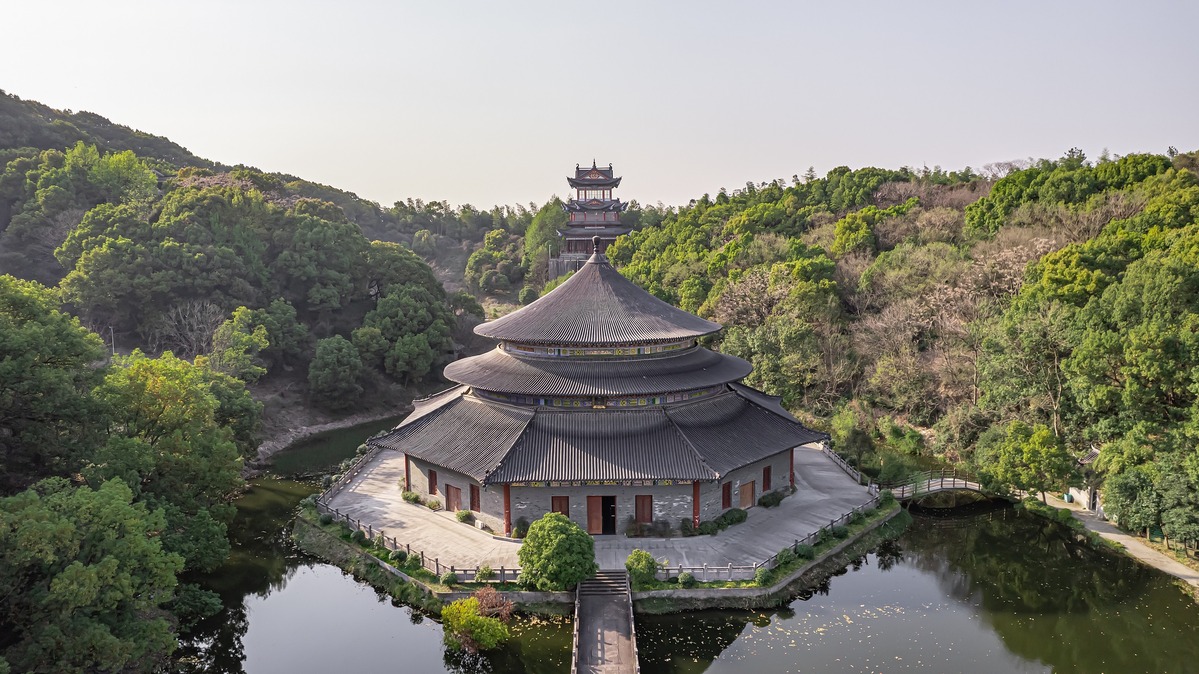
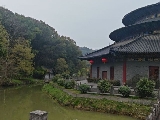
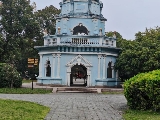
Hangzhou Oriental Cultural Park is situated at the southern foot of Yangqi Mountain in Yiqiao, Xiaoshan, where the Qiantang River, Fuchun River and Puyang River converge. It is 15 km from both downtown Hangzhou and Xiaoshan city centre, and only 20 km from Hangzhou Xiaoshan International Airport, enjoying an excellent location and convenient transport. As a national AAAA‑level scenic area, one of China's Top Ten Theme Parks and a national demonstration site for Chinese leisure culture, it is rooted in traditional culture, laid out according to the principles of the I Ching (Zhou Yi) and the Eight Trigrams, and integrates Confucianism, Buddhism and Taoism. Covering an area of 4,720 mu, it is a comprehensive tourist destination combining cultural experience, leisure vacation and religious pilgrimage.
Upon entering the park, visitors are greeted by the towering statues of the Twin Gods of Fortune and Longevity at the gate, welcoming guests from all directions. On the east side, the God of Longevity holds a peach and leans on a staff; on the west side, the God of Fortune holds a gold ingot, symbolising blessings as vast as the Eastern Sea and longevity as enduring as the Southern Mountain. Nearby, the statues of the Two Immortals of He He symbolise harmony and reunion, carrying traditional blessings. Stepping further in, you will reach the core Buddhist attraction "Guanyin's Holy Manifestation". Within this 33‑metre‑diameter spectacle, 18 Buddha statues surround an artificial rockery. At 9:00, 10:30, 13:00 and 14:30 daily (subject to the scenic area's official announcement), a breathtaking performance takes place: the 6‑metre‑tall milky‑white statue of Guanyin slowly rises to the top of the mountain, accompanied by solemn Buddhist music, while the musical fountain dances gracefully and holy water sprays from the sacred vase in the statue's hand, drawing devout believers to rush forward and catch it — a solemn and magnificent scene.
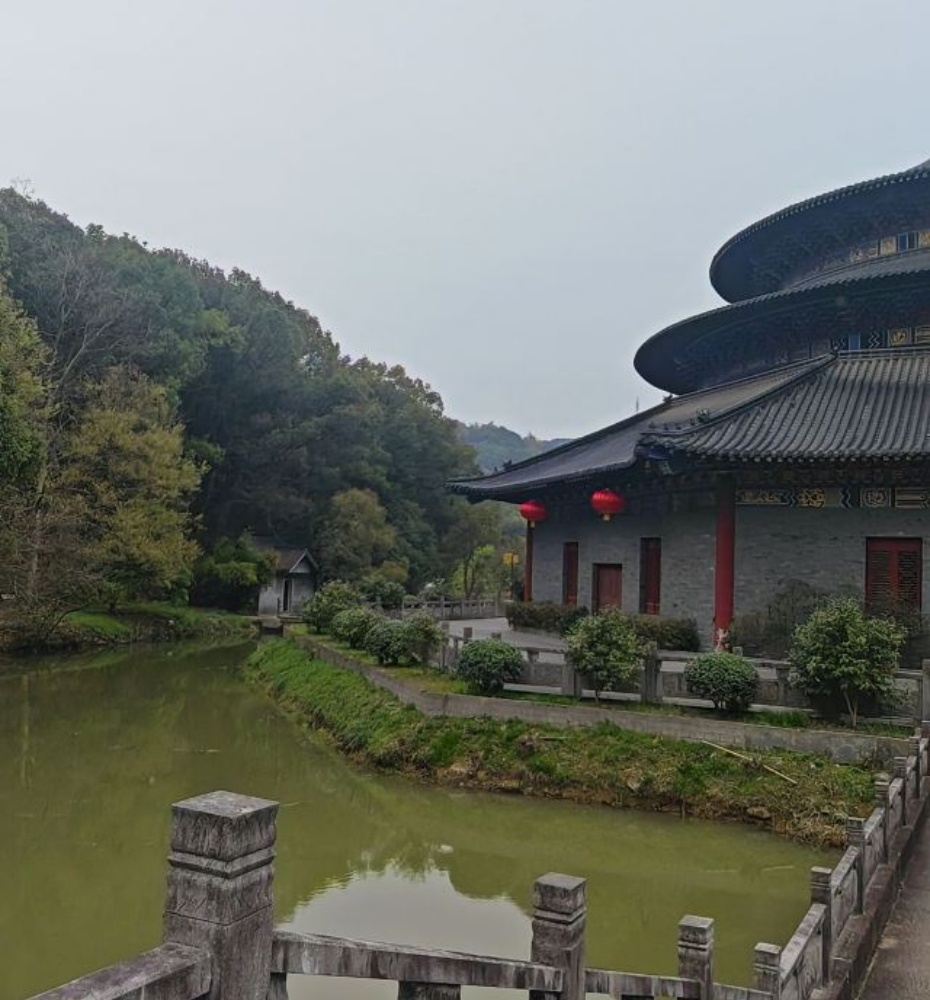
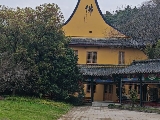
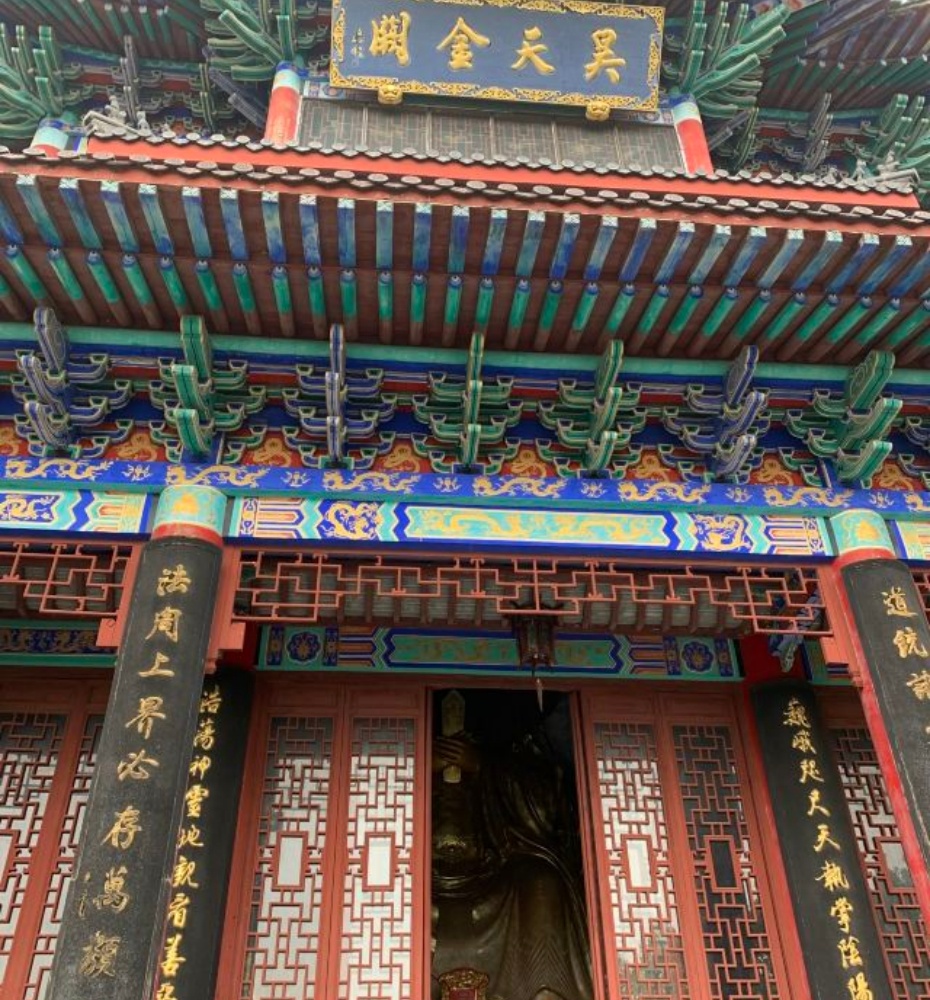
Walking along the footpath, you will arrive at Yangqi Zen Temple, first built in the second year of the Jiading reign of the Southern Song Dynasty. This thousand‑year‑old temple, formerly known as "Chongfu Yang Temple", has been reborn after renovation. Inside hangs the 12.8‑tonne "King of Bells in Jiangnan" bronze bell, whose tolling rivals the famed "Nanping Evening Bell" of Hangzhou, recreating the ancient scene of "Yangqi Bell Chimes". On the underground palace plaza behind the temple, a reclining jade statue of Sakyamuni Buddha, gifted by the Thai Buddhist community, is enshrined. Carved from a single piece of Burmese jade and adorned with gems throughout, it is the largest existing jade reclining Buddha in China. Nearby, the Ten Thousand Buddha Golden Tower Underground Palace is modelled after the Thai royal palace, with 9,999 golden Buddha statues enshrined both inside and outside the tower. The underground palace features floors paved with gold bricks and houses Buddhist relics, artefacts and ivory micro‑carving. It is a solemn and sacred site; a second ticket check is required upon entry.
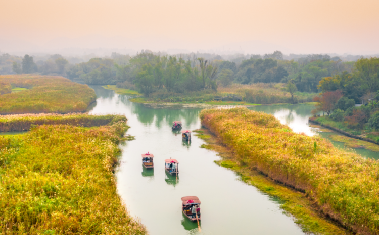
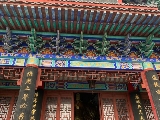
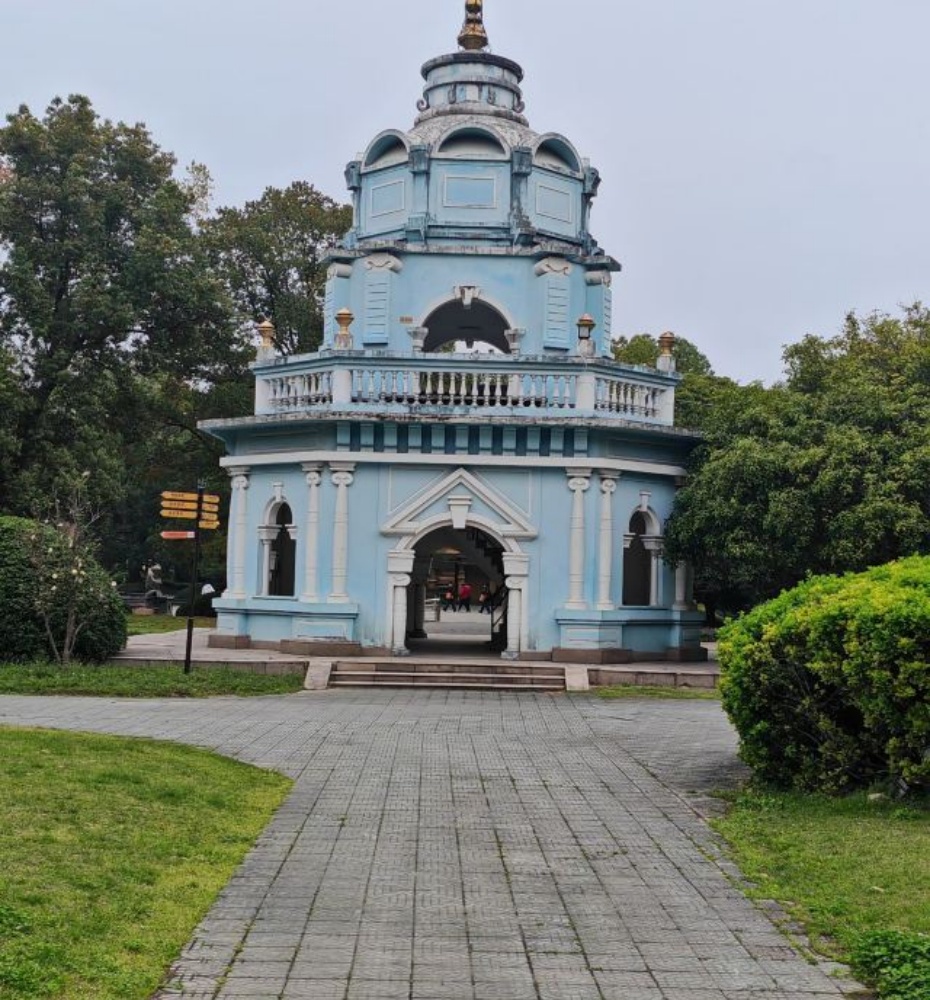
Climb the Sanjiang Pagoda — an octagonal, nine‑storey tower standing 60 metres tall — for a 360‑degree panoramic view of the entire park. To the west, you can see the confluence of three rivers with countless sails racing; to the east, you can admire the pavilions, terraces and lush greenery within the park, fully appreciating the exquisite scenery of "watching the Qiantang tide surge and the sunset over Yupu". Beyond the Sanjiang Pagoda lies the Taoist and Confucian districts beside Taixu Lake. In the Taoist district, the Tai Chi Altar is a curious marvel: the large Eight Trigrams diagram on its surface embodies the principles of Yin‑Yang and the Five Elements. When two people stand on the "fish eyes" of the trigram and converse, they can hear a magical sound transmission. Inside the Daoyuan Heavenly Palace, ancient and modern art and technology combine to present lifelike mythological scenes. In the Confucian district, there is a 9.8‑metre‑tall bronze statue of Confucius, a stele corridor inscribed with the Analects, and the Xingtan mural recreating Confucius's travels through the various states. The Sage Pavilion and Filial Piety Hall further celebrate Confucian classics. Weaving through the park is a 3‑km‑long colourful painted art corridor, which not only shelters visitors from wind and rain but also showcases the essence of traditional culture through exquisite paintings. Strolling along the corridor, you can enjoy the scenery of Taixu Lake — peach blossoms in spring, lotus flowers in summer — while the mandarin ducks and herons on the islet in the middle of the lake add a touch of natural charm.
 Merchant Information


 Product Reviews
 Tourist2026
 Added this spot to our honeymoon itinerary because we love quiet cultural places...
- Tourist2026Wandered around on my own checking out the old cultural exhibits here. Stopped b...
- Tourist2026Brought the little ones along to run around, they loved feeding the koi fish in ...

 Date of Use(Hangzhou local time)

 Deals
 Package DetailsPackage Details