

King Qian's Temple Ticket

 10

 46






 4.5/5


Must be purchased before 16:00 on the day of use; available immediately after successful booking.
Tickets issued in 3 seconds on average.
Use the e‑voucher directly for verification.
After successful issuance, you will receive an SMS starting with “LèLèKù” (it may be found in spam or blocked messages). Click the link in the SMS to view the QR code and scan it for entry; alternatively, you can also view the QR code under “E‑ticket” in the Trip.com App.

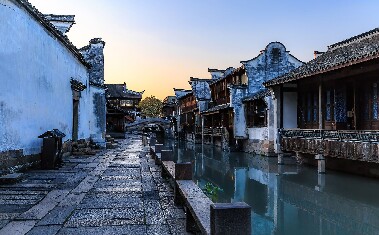
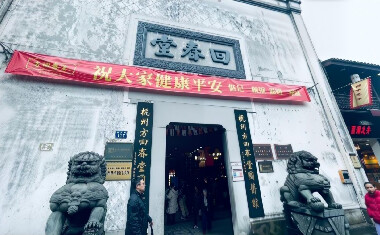
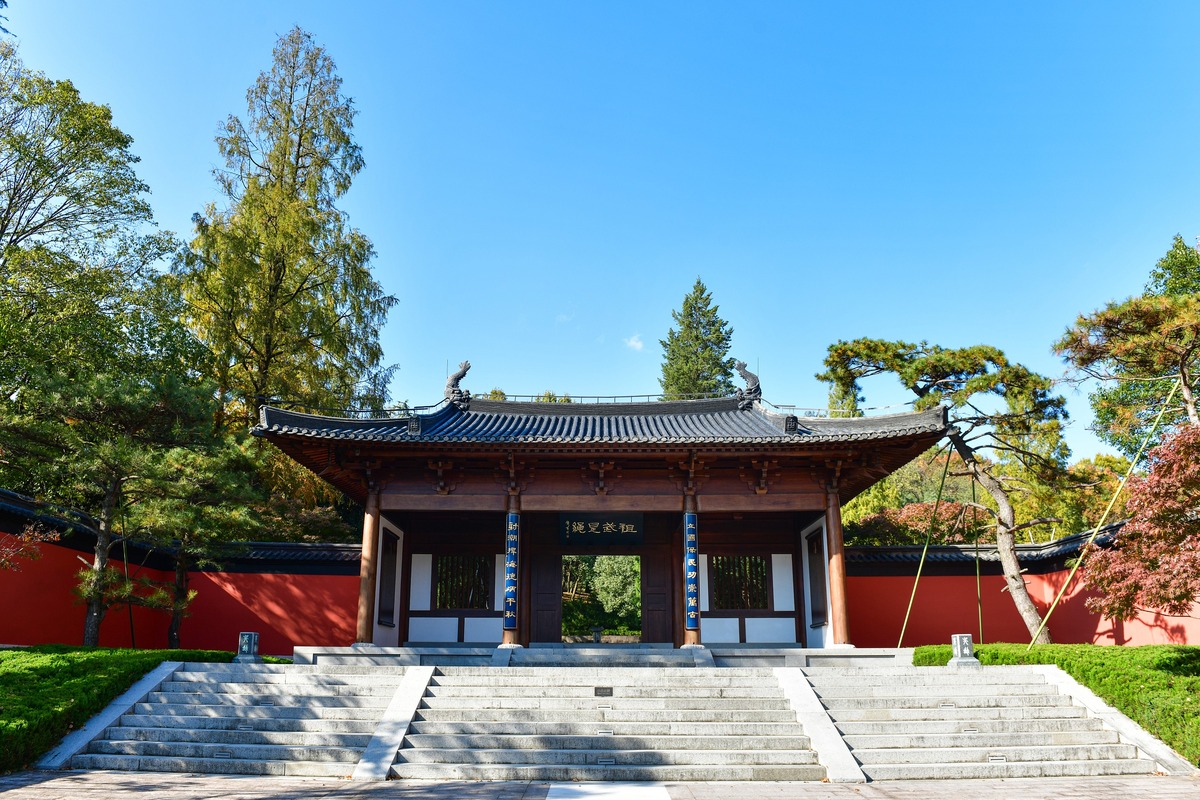
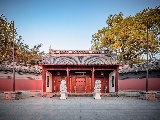
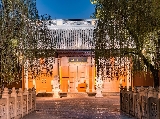
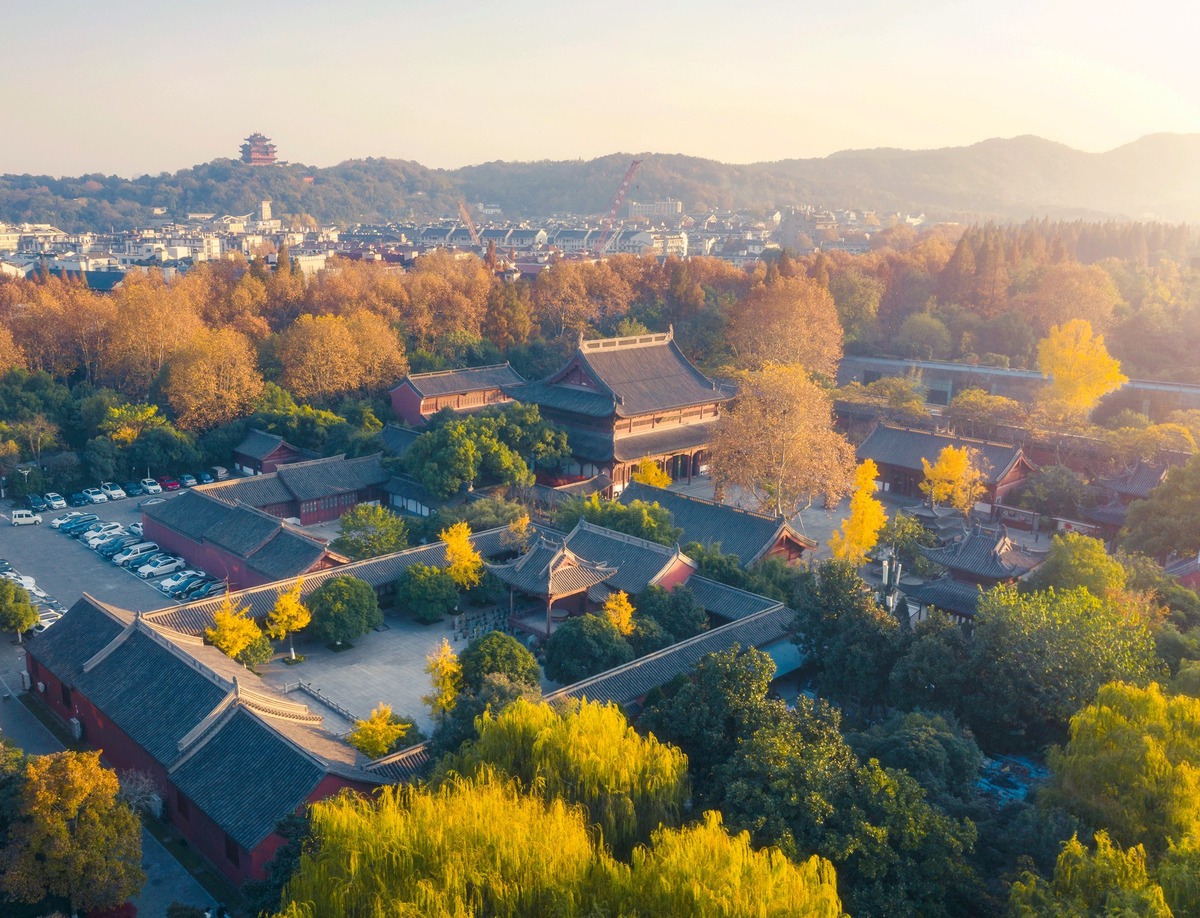
Located within the scenic area of "Orioles Singing in the Willows", one of the Ten Scenes of West Lake, the Qian Wang Ci (Temple of King Qian) was originally built during the Northern Song Dynasty as a memorial temple for Qian Liu, the founding monarch of the Wuyue Kingdom, and his successors. With a history spanning over 900 years, this memorial architecture is rich in cultural heritage and stands as the core site of "Qian Ci Biao Zhong" (Temple of King Qian Expressing Loyalty), one of the Three Evaluations of the Ten Scenes of West Lake.
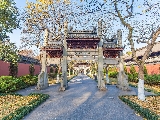
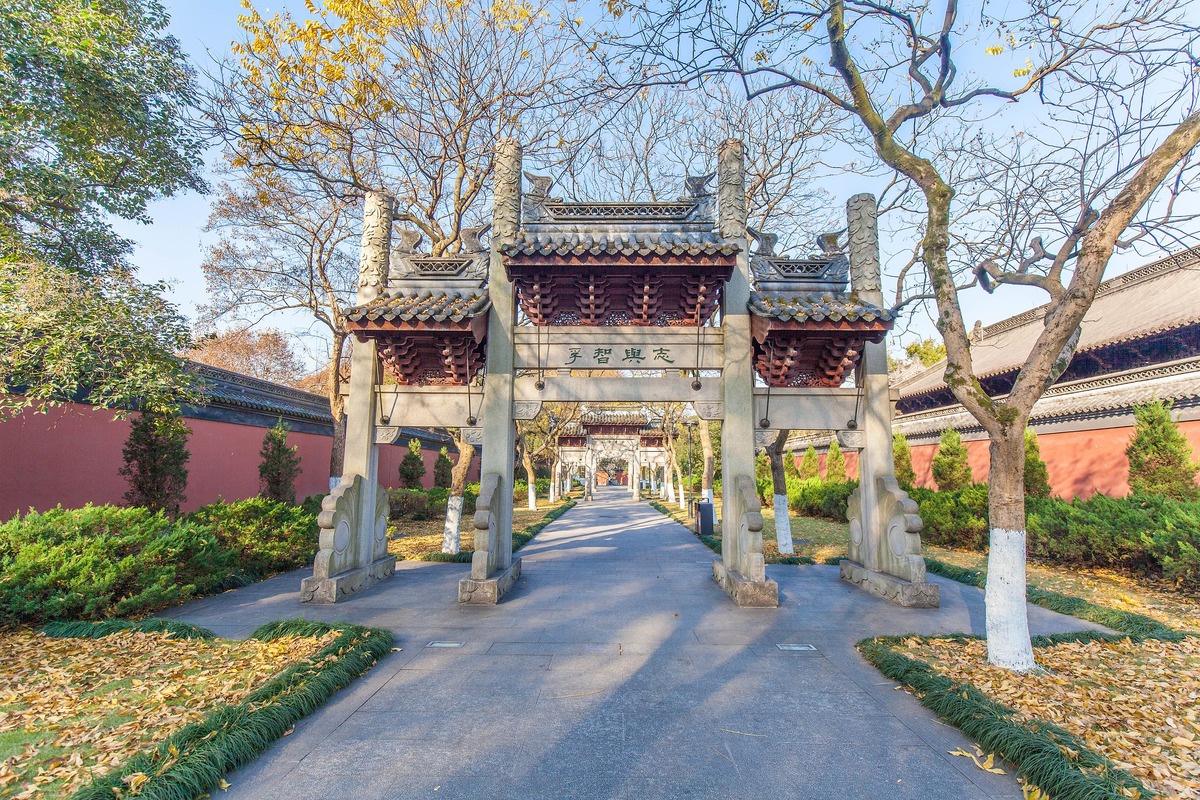
The entire temple complex features well‑defined landscapes and numerous cultural relics. Upon entering the scenic area, visitors are greeted by the imposing Merits Archway and the Edict Memorial Archway, whose ancient architectural forms pay homage to the achievements of King Qian. Inside the temple stands a statue of Qian Liu, exuding dignity. Complemented by the stone carving of "Qian Ci Biao Zhong", it harmonises with the monument of the Three Evaluations of the Ten Scenes of West Lake to the north. Every step and scene carries profound historical significance, allowing visitors to intuitively experience the rich heritage of the Wuyue culture.
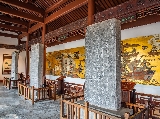
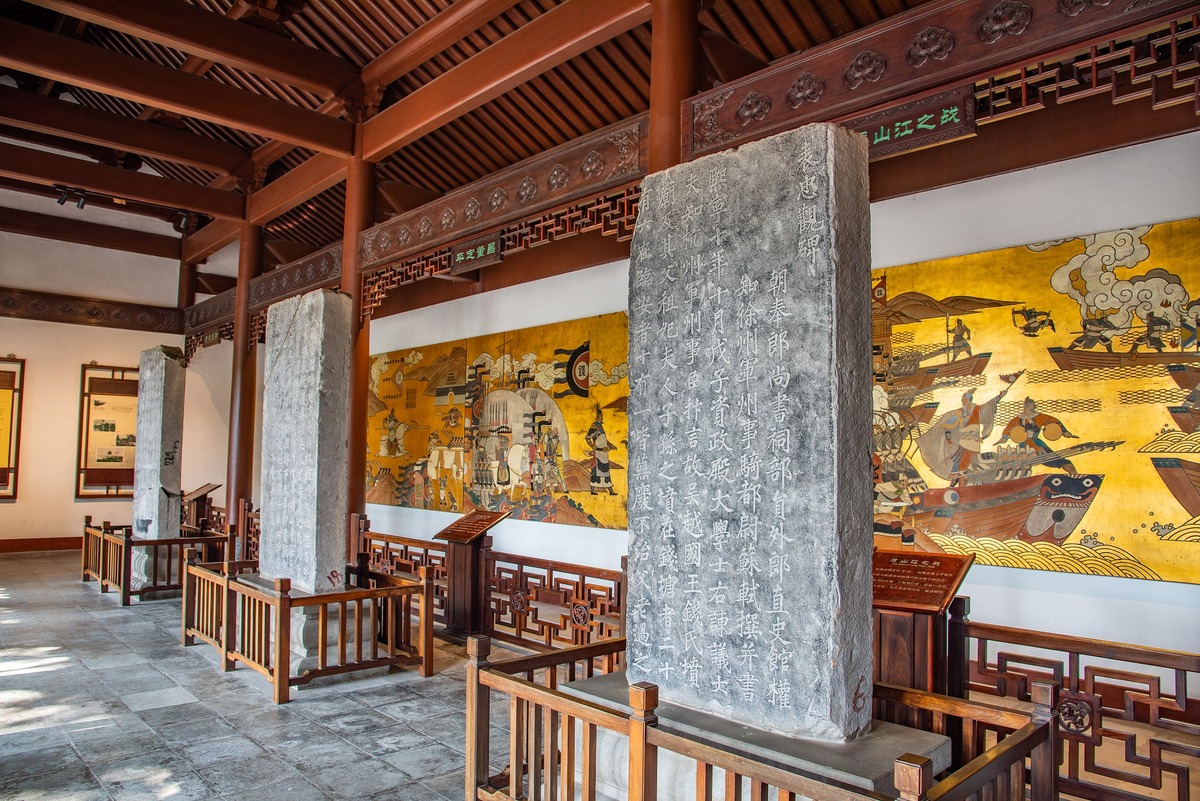
Among the most artistically valuable attractions in Qian Wang Ci is the "Biao Zhong Guan Bei Ji" (Record of the Loyalty Viewing Stele) written by Su Shi himself. This stele is a renowned classic in the history of calligraphy. Although the original stele no longer exists, the temple houses a re‑engraved stone stele from the Jiajing era of the Ming Dynasty. Its vigorous calligraphy and timeless prose hold dual value in both literature and calligraphy, making it a rare and precious relic that calligraphy enthusiasts and history lovers should not miss.
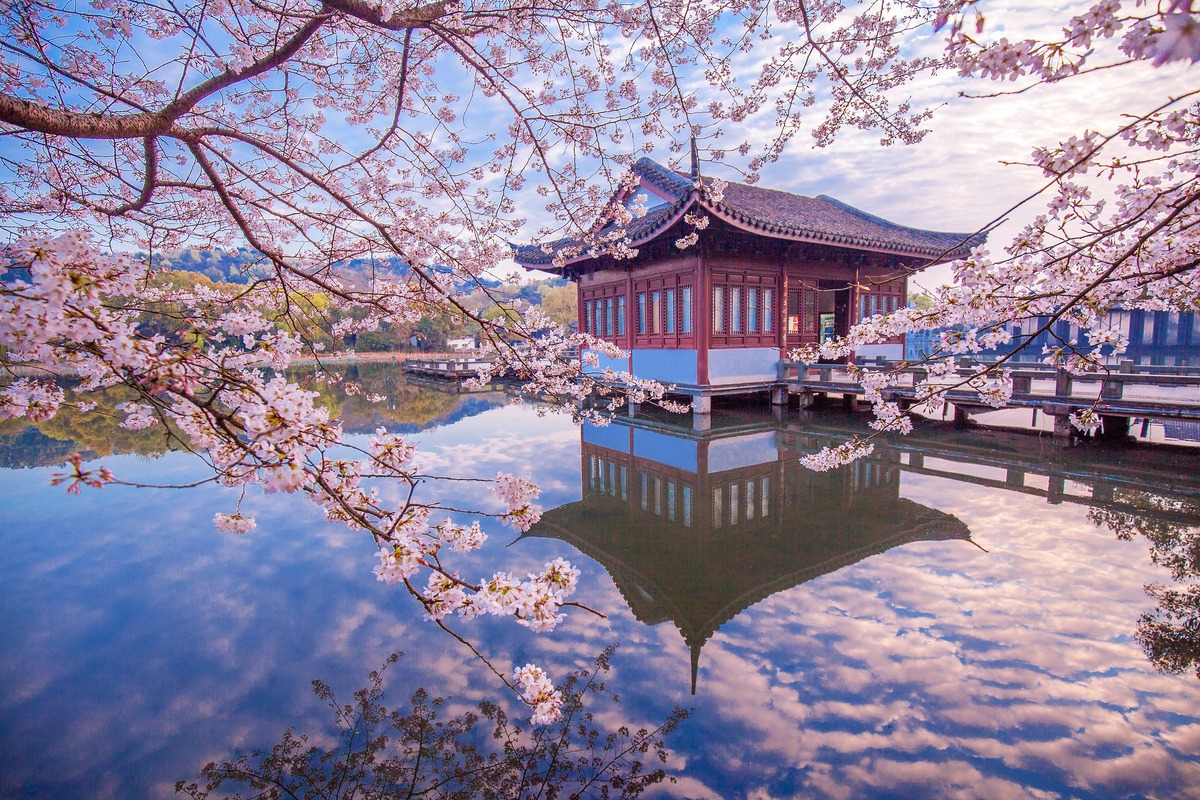
In addition to its cultural relics, the natural scenery within the temple also exudes a unique charm. Behind the Hall of Five Kings, two long‑standing Winter Daphne trees are planted. During the blooming season in February and March, the branches are adorned with delicate, pale flowers, filling the air with a subtle fragrance. This attracts many visitors to admire the blossoms and take photos, adding a touch of elegance and vitality to the solemn temple.
During the Chinese New Year period, Qian Wang Ci also hosts a lively Spring Flower Exhibition, featuring a dazzling array of colourful flowers. The ancient temple and the vibrant blooms complement each other, creating a strong festive atmosphere. Visitors can not only commemorate King Qian's historical achievements in protecting the realm and ensuring peace, as well as his submission to the Central Plains, but also enjoy the flowers and explore the garden, experiencing the unique festive spirit of West Lake.
Overall, Qian Wang Ci integrates historical commemoration, calligraphy art, garden flower appreciation, and festive activities. It not only embodies the millennium‑old memory of the Wuyue Kingdom but also seamlessly blends with the picturesque scenery of West Lake, making it an excellent destination for visitors to experience the harmonious fusion of humanity and nature while exploring West Lake.
 Merchant Information


 Product Reviews
 Tourist2026
 Came here as part of our group tour around the area. Our guide stopped by a smal...
- Tourist2026I took a wrong turn from the nearby cha chaan teng and stumbled on this place by...
- Tourist2026Planned a casual day trip out from Hong Kong Island and stopped here on the way....

 Date of Use(Hangzhou local time)

 Deals
 Package DetailsPackage DetailsPackage Details